

DECISION THEATRE
The theatrical form provides a safe distance. It does not ask for personal self-disclosure; instead, it presents situations. The reflective process is guided by a mental health professional within a clear, accessible, and non-judgmental framework.
The goal is not shock, but awareness.
Decision-making can be learned.
We create space to practise it.
The goal is not shock, but awareness.
Decision-making can be learned.
We create space to practise it.
The goal is not shock, but awareness.
Decision-making can be learned.
We create space to practise it.
OUR MISSION
We develop decision-making competence through interactive theatre and mental health methods. We process real-life situations in a safe space. We help young people recognise their patterns and understand their consequences. We create space for more conscious action.
A SAFE FRAMEWORK
Decision Theatre is not therapy. We do not diagnose, and we do not treat individual cases. We run a preventive and educational programme within a structured and safe framework. Every session takes place with the involvement of a mental health professional, and when necessary, participants are referred to appropriate professional support. Our aim is to foster awareness and initiate dialogue — not to provide therapeutic intervention.
VISION
We support the creation of communities in which young people are able to make conscious decisions, take responsibility for themselves and for one another, and where theatre functions as a powerful tool for emotional intelligence, mental resilience, and social dialogue. We believe that decision-making can be learned — and that a culture of conscious decision-making can shape society.
IMPACT / WHAT CHANGES?
Decision Theatre does more than offer an experience. It sets real inner movement in motion
As a result of the programme:
- Participants recognise their own decision-making patterns — and become aware of what drives them in critical situations.
- They gain language for difficult topics — anxiety, group pressure, shame, and abuse
- The culture of silence is reduced — situations that once seemed unspeakable become discussable.
- Asking for help becomes normalised — not as a weakness, but as a responsible decision.
- The sense of bystander responsibility grows stronger — replacing the “it’s none of my business” attitude with a more conscious sense of community presence.
- Consequences become visible — decisions are no longer abstract concepts, but lived realities.
- Shame and self-blame are reduced — participants begin to understand the inner logic of their own functioning.
- Emotional intelligence and self-regulation develop — decision-making becomes not merely reaction, but choice.
OUR TEAM
Professional leadership
INFO
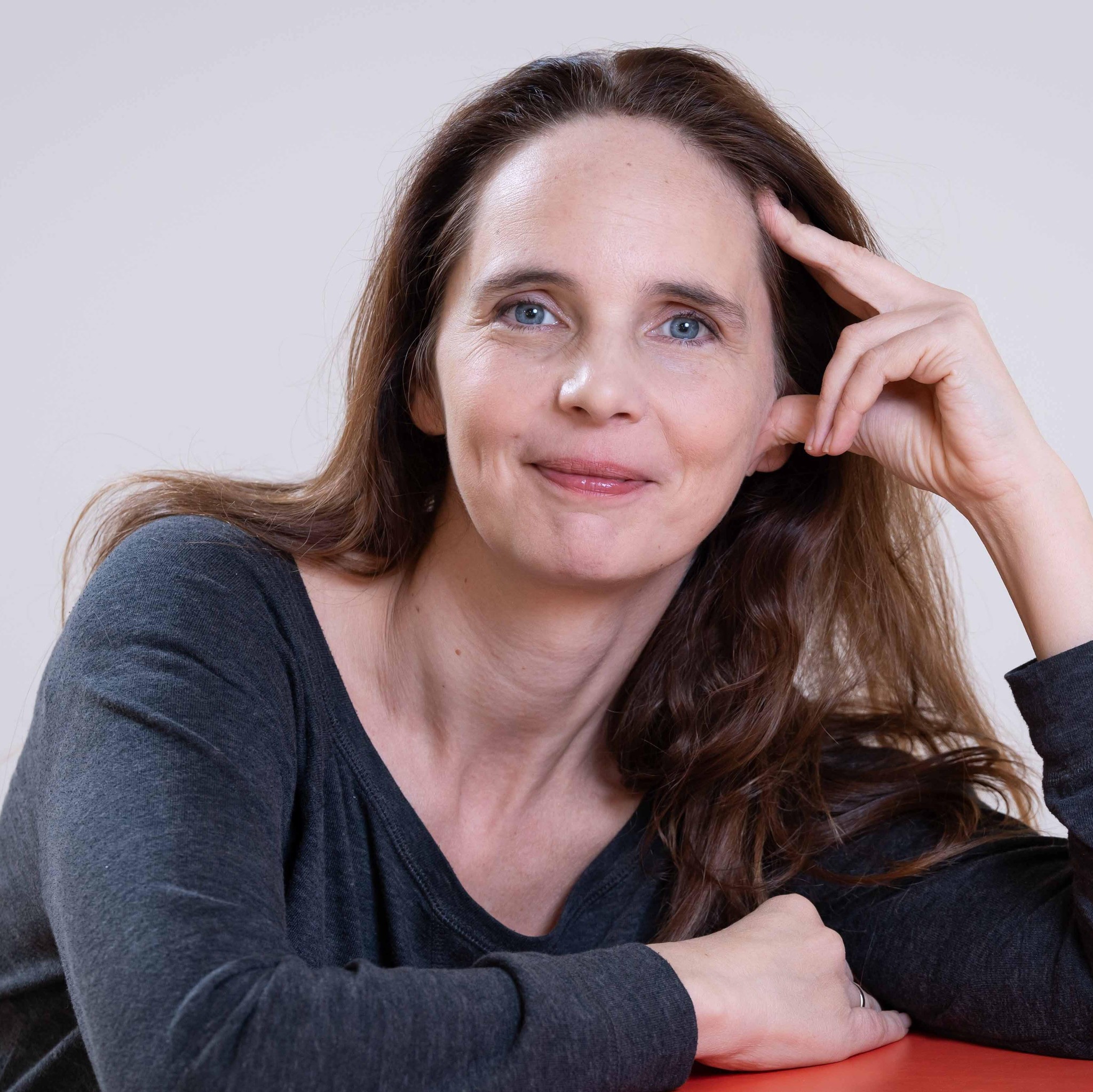
Borbála Szabó
writer/dramaturg
×
Borbála Szabó
is a writer, playwright, dramaturg, literary translator, and theatre creator, and a prominent figure in contemporary Hungarian literature and theatre.
She began her studies in Hungarian and Estonian language and literature at Eötvös Loránd University, and later continued in theatre studies at the University of Theatre and Film Arts.
Throughout her career, she has worked across multiple genres, including novels, young adult literature, stage plays, and adaptations. She has also been active as a dramaturg and performer. Her works have been staged by several major Hungarian theatres, including the Budapest Puppet Theatre, Thália Theatre, Stúdió K, Bárka Theatre, and Magyar Theatre.
Among her best-known stage works are Líra és Epika (co-written with Dániel Varró), the monologue farce Telefondoktor, the youth drama Nincsenapám, seanyám, and Szülői értekezlet, which is considered a notable piece in the contemporary Hungarian theatre repertoire. In her writing, Szabó often explores themes such as human relationships, identity, family narratives, and the dilemmas of decision-making shaped by social contexts. Her texts frequently approach serious human questions with humor and irony, while maintaining deep empathy toward the personal stories behind individual lives.
She began her studies in Hungarian and Estonian language and literature at Eötvös Loránd University, and later continued in theatre studies at the University of Theatre and Film Arts.
Throughout her career, she has worked across multiple genres, including novels, young adult literature, stage plays, and adaptations. She has also been active as a dramaturg and performer. Her works have been staged by several major Hungarian theatres, including the Budapest Puppet Theatre, Thália Theatre, Stúdió K, Bárka Theatre, and Magyar Theatre.
Among her best-known stage works are Líra és Epika (co-written with Dániel Varró), the monologue farce Telefondoktor, the youth drama Nincsenapám, seanyám, and Szülői értekezlet, which is considered a notable piece in the contemporary Hungarian theatre repertoire. In her writing, Szabó often explores themes such as human relationships, identity, family narratives, and the dilemmas of decision-making shaped by social contexts. Her texts frequently approach serious human questions with humor and irony, while maintaining deep empathy toward the personal stories behind individual lives.

INFÓ
Krisztina Serfőző
producer/theatre creator
×
Krisztina Serfőző
is an art producer, theatre creator, and mental health coach, and the founder of Ülj Közelebb Produkcióand Decision Theatre (Döntésszínház).
She spent more than two decades in the media industry as a television editor-in-chief and presenter. One of the defining projects of her career was the award-winning program Kortárs, which introduced leading figures of Hungarian visual culture through portrait films.
Turning from media toward theatre, she established a creative studio that transforms stories from Hungarian history and literature into personal, community-based theatrical experiences. The productions of Ülj Közelebb Produkció—such as Placid, or A Game with Death, the chamber play on Árpád Brusznyai, and Hungarian Heroes, created in close collaboration with the Committee of National Remembrance—explore the moral and communal dimensions of human decisions through historical lives. Hungarian Heroes was nominated for the Highlights of Hungary.
Her work is deeply inspired by Hungarian literature and history; however, her productions are not mere historical reconstructions. Through stories of the past, they seek answers to the questions of the present. As a mental health coach, she is particularly interested in how storytelling can support the understanding and processing of personal and transgenerational trauma. This approach led to the creation of Decision Theatre, an interactive format that explores the psychological and ethical dimensions of human decision-making. Her performances have reached tens of thousands of students and adults across Hungary. For her, community, belonging, and empathy are fundamental values. Her work is often guided by the words of Placid Olofsson: “Joy is essential for survival.”
Turning from media toward theatre, she established a creative studio that transforms stories from Hungarian history and literature into personal, community-based theatrical experiences. The productions of Ülj Közelebb Produkció—such as Placid, or A Game with Death, the chamber play on Árpád Brusznyai, and Hungarian Heroes, created in close collaboration with the Committee of National Remembrance—explore the moral and communal dimensions of human decisions through historical lives. Hungarian Heroes was nominated for the Highlights of Hungary.
Her work is deeply inspired by Hungarian literature and history; however, her productions are not mere historical reconstructions. Through stories of the past, they seek answers to the questions of the present. As a mental health coach, she is particularly interested in how storytelling can support the understanding and processing of personal and transgenerational trauma. This approach led to the creation of Decision Theatre, an interactive format that explores the psychological and ethical dimensions of human decision-making. Her performances have reached tens of thousands of students and adults across Hungary. For her, community, belonging, and empathy are fundamental values. Her work is often guided by the words of Placid Olofsson: “Joy is essential for survival.”
INFÓ
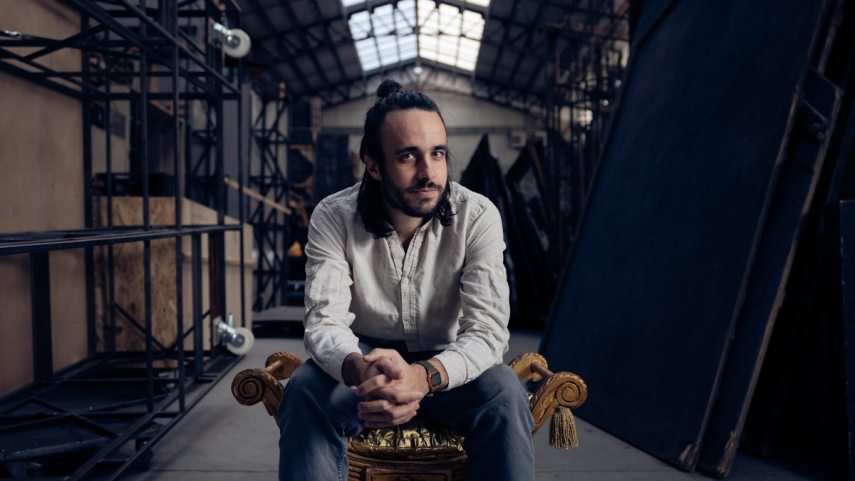
Bence Varga
director
×
Bence Varga
Theatre director who studied at the University of Arts Târgu Mureș and later at the University of Theatre and Film Arts, in the class of Tamás Ascher, György Selmeczi, and Eszter Novák.
He has worked as repertoire manager at the Hungarian State Opera and as a teaching assistant to Miklós Szinetár at the Liszt Ferenc Academy of Music.
His directing work spans opera, drama, and musical theatre productions, staged at venues including the Budapest Music Center, Stúdió K Theatre, and the Szentendre Open-Air Theatre.
In 2023, he received the International Opera Awards for the world premiere of Péter Eötvös’s opera Valuska.
Mental health professionals
INFÓ
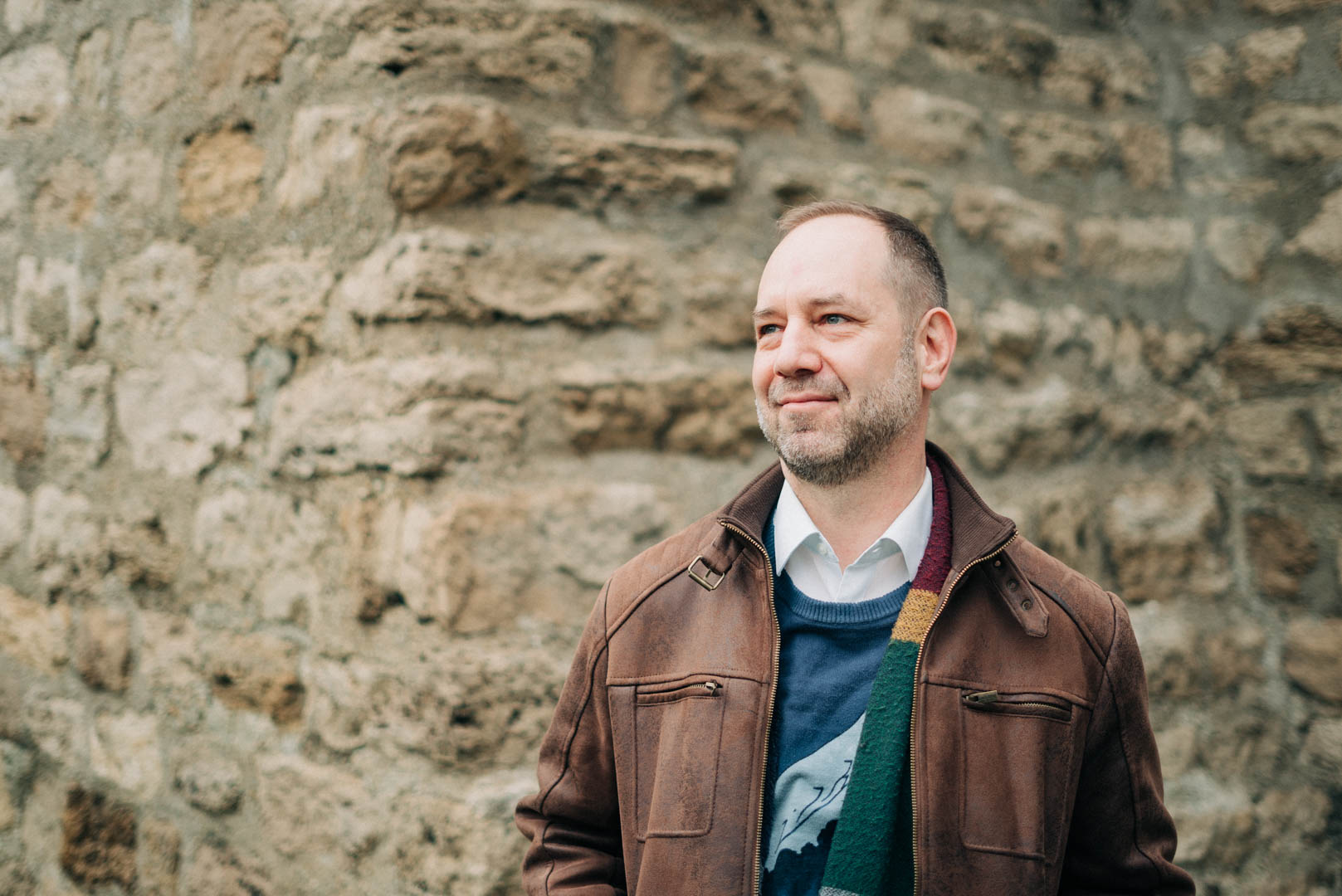
BERCEL NAGY
mental health professional
×
BERCEL NAGY
Mental health professional who graduated from Károli Gáspár University of the Reformed Church in Hungary.
Since 2016, she has been facilitating supportive conversations and self-help groups for foster parents and adolescents, with a significant part of her work dedicated to supporting child protection institutions in Transcarpathia. Since 2024, she has been working at the Hungarian Reformed Church Aid and also teaches as a lecturer within the university’s training programs.
In the field of psychodrama, she has accumulated approximately 1,800 hours of group-based self-awareness experience. In 2025, she was elected as a member of the Ethics Committee of the Hungarian Psychodrama Association.

INFÓ
VIKTÓRIA KATONA
mental health professional
×
VIKTÓRIA KATONA
Reformed pastor, mental health professional, trainer, and children’s grief group facilitator. She serves as managing director of a church-based charitable foundation, where her work focuses on supporting children and families living in vulnerable life situations.
For more than a decade, she worked in a cross-border children’s home with traumatized girls, providing both individual and group-based spiritual and emotional support.
She regularly gives lectures and leads professional discussions on children’s mental health and the healing power of human relationships.

INFÓ
MIRTILL VÁRNAI
mental trainer, psychologist
×
MIRTILL VÁRNAI
Myrtill Várnai is a clinical psychologist, child and adolescent psychologist, coach, and economist, as well as the founder and professional lead of the School of Human Values®. With more than three decades of professional experience, she has worked at the intersection of psychology, coaching, and self-awareness, developing methods that support a deeper understanding of human functioning and personal development.
By establishing the School of Human Values®, she created a training and methodological framework that connects modern psychological thinking with practical self-awareness work.
Her work focuses on human values, self-knowledge, and mental awareness.
Within the professional framework of the Decision Theatre initiative, particular emphasis is placed on mental functioning, decision-making patterns, and personal responsibility. In this context, Myrtill Várnai’s approach provides a perspective that supports a deeper psychological understanding of human functioning, as well as reflection and personal growth within the project.
By establishing the School of Human Values®, she created a training and methodological framework that connects modern psychological thinking with practical self-awareness work.
Her work focuses on human values, self-knowledge, and mental awareness.
Within the professional framework of the Decision Theatre initiative, particular emphasis is placed on mental functioning, decision-making patterns, and personal responsibility. In this context, Myrtill Várnai’s approach provides a perspective that supports a deeper psychological understanding of human functioning, as well as reflection and personal growth within the project.
Actors

INFÓ
Dóra Kovács
×
Dóra Kovács
graduated from Eötvös Loránd University as a primary school teacher with a specialization in Hungarian language and literature.
She currently works as a mentor teacher and workshop facilitator at Budapest School.
She trained for eight years at the Földessy Margit Drama Studio, where she later also led sessions herself. She collaborates with the Momentán Társulat and works in improvisational creative workshops.
Her primary interests include theatre education and the holistic development of children.

INFÓ
ZOÁRD NYÉNYEI
×
ZOÁRD NYÉNYEI
graduated from the University of Theatre and Film Arts in television presenting.
He has worked as a journalist and editor-reporter, and contributed to the script development of the series Marsra Magyar!.
He is a performer with the youth ensemble of the Momentán Társulat Workshop.
In 2025, he and his team won the Duma Talent organized by Dumaszínház, and he also performed in the talent show of Showder Klub.

INFÓ
PETRA BARÁTH
×
PETRA BARÁTH
is a drama teacher who sees theatre not merely as performance, but as a space for personal, experience-based learning.
In her work, she aims to help students connect to stories through their own lived experiences and emotional engagement.
She places particular emphasis on developing empathy, collaboration, and creative self-expression.
INFÓ
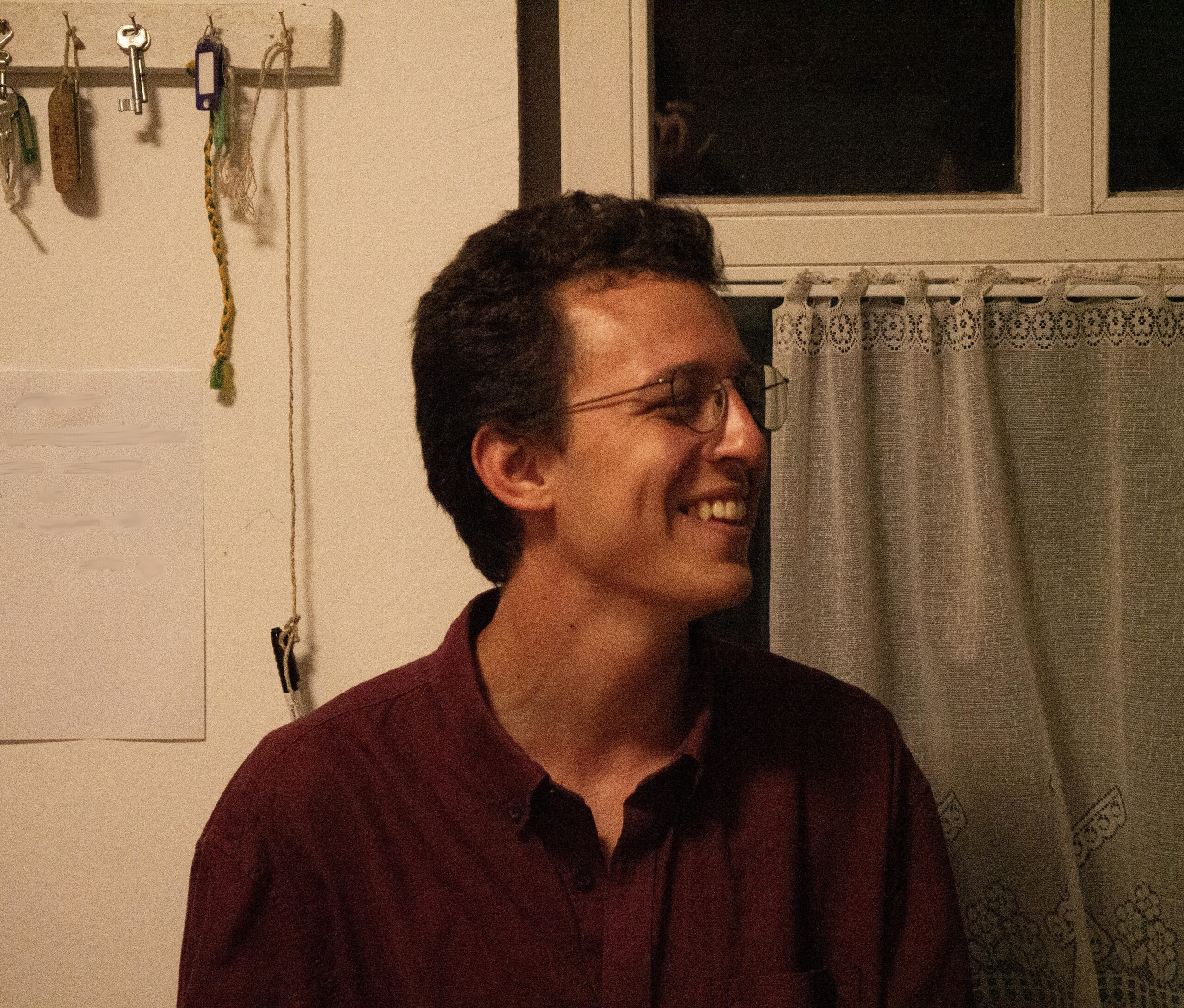
GYÖRGY NYÉNYEI
×
GYÖRGY NYÉNYEI
is a student of Slavic Studies at Eötvös Loránd University, with a strong interest in literature, history, and languages.
Together with his friends, he recently co-founded a cultural journal, an experience that has become an important part of his creative development.
He has been engaged in acting for several years and is currently studying and performing in improvisational theatre.

INFÓ
IMRE KALIVODA
×
IMRE KALIVODA
is a young Hungarian actor who, even at the beginning of his career, has already demonstrated his talent in several notable stage roles.
He is currently studying acting at the University of Kaposvár Rippl-Rónai Faculty of Arts, where the practice-oriented training has enabled him to gain significant stage experience already during his studies.
He is affiliated with multiple theatre companies: he performs in productions of the Győr National Theatre, and is also featured in productions at the Újszínház. Audiences can see him in several plays, including Komámasszony, hol a stukker?and Zsákbamacska.
A particularly important and meaningful role for him is his participation in the production Asszony a fronton (Woman on the Front), where he portrays his character with sensitivity and authenticity. The play explores the intersection of history and personal судь, and has been a defining experience for him both professionally and personally.
In addition to theatre, he has also appeared on television: audiences could see him as Lénárd in the Ki vagy te? on RTL+.
INFÓ
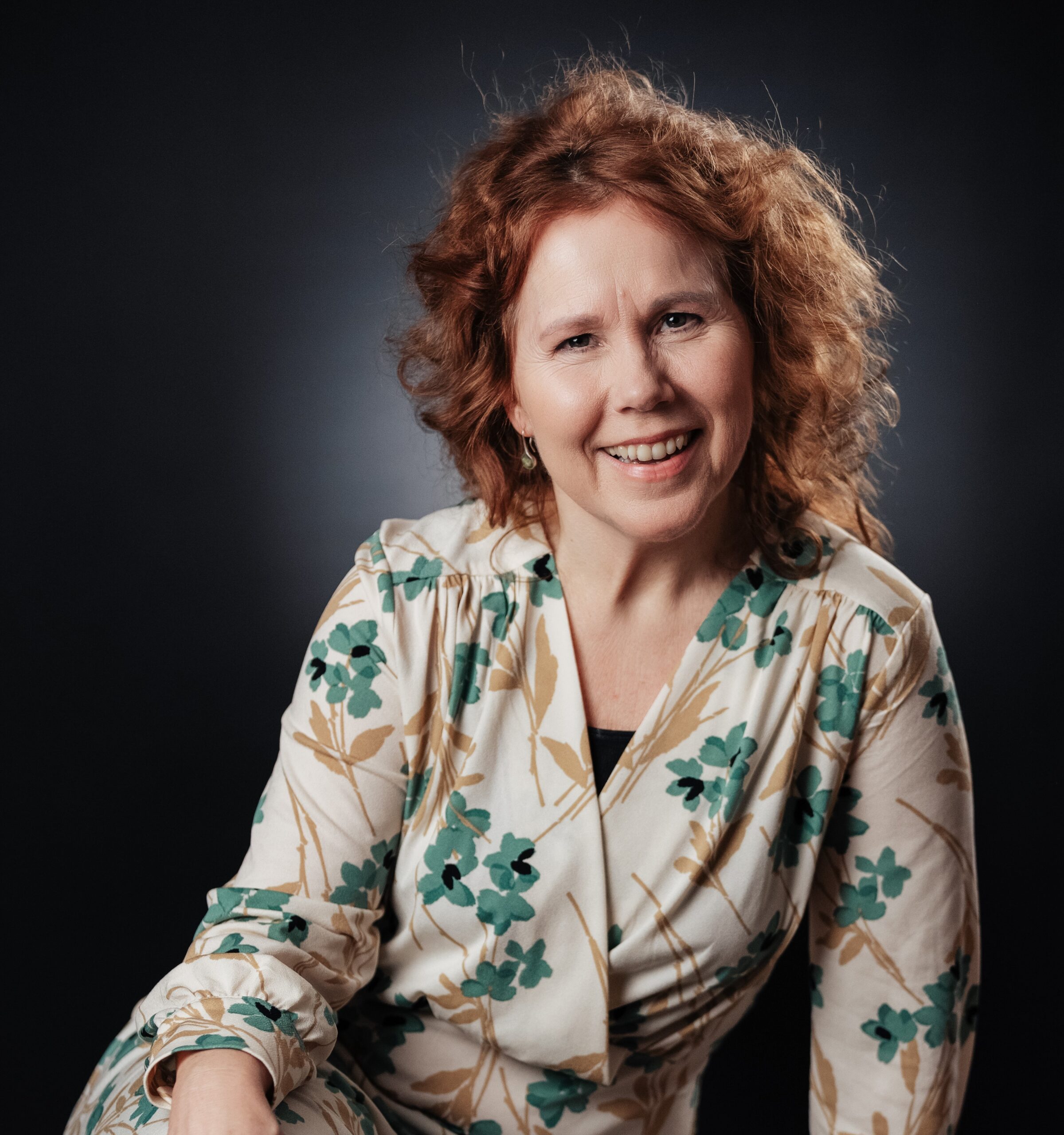
KRISZTINA URBANOVITS
×
KRISZTINA URBANOVITS
is an actress, company leader, and the founder of the KVTársulat.
She studied art history at Eötvös Loránd University and later graduated from the University of Theatre and Film Arts.
For 14 years, she was a member of the ensemble of the Csiky Gergely Theatre under the direction of László Babarczy.
She has collaborated with several independent theatre companies, including Panodráma, Dollár Papa Gyermekei, and Más Színház, and has also appeared in films and television series.
In 2024, she received the Aase Award.